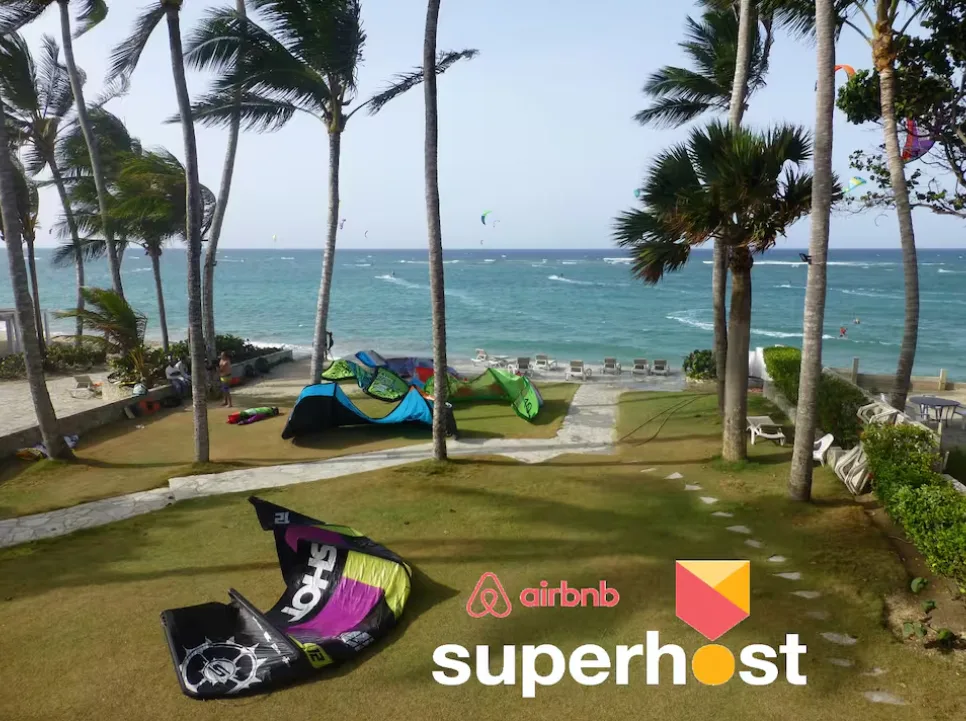
Cabarete has earned its reputation as the kiteboarding capital of the Caribbean, and with good reason. Consistent trade winds, warm crystal-clear waters, and a thriving community of kiteboarders make it the perfect place to learn this exhilarating sport. If you've always dreamed of harnessing the wind and gliding across tropical waters, here's your complete beginner's guide.
Why Cabarete is Perfect for Kiteboarding
Cabarete's location on the North Coast makes it ideal for kiteboarding. The consistent north-northeast trade winds blow year-round, with the strongest winds occurring during winter months (December-March). The bay's geography provides natural wind funneling, and the shallow, protected waters are perfect for learning.
Best Season for Learning
While Cabarete has wind throughout the year, the best season for beginners is November to March, when trade winds average 15-20 knots. June to August can be good but with more variable conditions. Summer winds tend to be lighter and more gusty, making them less ideal for learning.
Finding a Kite School
Don't attempt to teach yourself. Finding a reputable kiteboarding school is essential for both safety and accelerating your learning curve. Cabarete has several established schools with certified instructors:
- International Kiteboarding Organization (IKO) certified schools offer proper progression-based curricula
- Expect to pay $250-400 for a full day of instruction (around 4-5 hours)
- Most schools include equipment rental in lesson packages
- Ask about group lesson discounts if traveling with friends
What to Expect in Your First Lessons
Day 1: Land Training
Your first session will focus entirely on land-based training. You'll learn how to control the kite, understand wind windows, practice body positioning, and get comfortable with the safety systems. This groundwork is crucial—instructors won't put you in the water until you've demonstrated solid kite control.
Days 2-3: Getting on the Board
Once your instructors are confident in your kite handling, you'll progress to shallow water. Initially, you'll focus on getting up on the board and maintaining position. Expect lots of wipeouts—they're part of the learning process and a badge of honor in the kite community.
Days 4+: Building Confidence
By day four, most students can ride consistently in light winds. Your instructor will teach you edge control, turning, and eventually starting to move upwind, which is the key to becoming a true kiteboarder.
What You Need: Equipment Breakdown
The Kite
Beginners typically start with kites in the 14-17 meter range, depending on body weight and wind conditions. Larger kites are more forgiving in light winds. Look for freeride or freestyle-oriented kites designed for beginners.
The Board
Beginner boards are larger (around 41-50 liters) and more forgiving. They provide better flotation and stability, making it easier to get up and maintain balance.
Safety Gear
Always wear a helmet and impact vest. The water is warm (80-85°F year-round), so full wetsuits aren't necessary, but board shorts with a thin rash guard are recommended. Reef shoes protect your feet on rocky areas.
Physical Conditioning
Kiteboarding is physically demanding. Core strength, leg endurance, and balance are essential. Before your lessons, consider doing some conditioning work—yoga, swimming, or general fitness training will make your first days much more enjoyable and help you progress faster.
Safety Considerations
- Always use a chickenloop with release system — This allows you to quickly detach from the kite in emergency situations
- Never kite alone — Always go with friends or in established spots with other kiteboarders
- Check weather forecasts — Overly strong winds (25+ knots) can be dangerous for beginners
- Be aware of other water users — Respect swimmers, boats, and other beach-goers
- Know your limits — Progress at your own pace and don't feel pressured to go beyond your ability
Cost Breakdown for Your Stay
Budget planning helps: a 5-day kiteboarding course runs $1,200-2,000 including equipment rental. Daily equipment rental without lessons costs $40-60. Many schools offer package deals when you book multiple days in advance.
Local Tips and Culture
Cabarete's kite community is welcoming and supportive. Beginners are celebrated, not judged. After lessons, hang out at beach bars like Kite Beach where kiteboarders gather. You'll make friends quickly and often find experienced riders willing to share tips and local knowledge about best spots and wind conditions.
Beyond Your First Days
Once you're riding, the progression continues. Expect 20-40 days of practice to become competent, and 100+ days to develop real skills. The good news? You can practice during your vacation, then continue back home or plan return trips to keep improving in this world-class destination.