The Dominican North Coast is a year-round destination, but each season offers different advantages and challenges. Choosing when to visit depends on your priorities—weather, crowds, costs, and specific activities. This seasonal guide helps you plan the perfect timing for your vacation.
Peak Season: December-March
Weather
Peak season brings perfect weather—75-80°F, low humidity, minimal rain. Dry, sunny days are the norm. Comfortable temperatures and clear skies make outdoor activities ideal. This is the Caribbean winter escape season.
Crowds and Costs
Expect maximum crowds and premium pricing. Hotels charge 50-100% more than off-season. Restaurants and beaches are busy. Popular activities book quickly. The tradeoff: excellent weather and lively atmosphere.
Best For
- Weather-dependent activities (beach days, snorkeling, watersports)
- Whale watching (January-March peak)
- Large family gatherings and holidays
- Those with flexibility to pay premium prices
Average Costs
Hotels: $150-300+/night. Meals: 30-40% more than shoulder season. Activities at full price.
Shoulder Season: April-May & September-November
Weather
Warm with occasional afternoon rain. April-May is drier; September-November sees more rainfall (but still brief showers). Temperatures 78-85°F. Lower humidity than summer but not peak season comfort.
Crowds and Costs
Significantly fewer tourists than peak season. Prices drop 20-40%. Restaurants and beaches are manageable. Good value for money.
Best For
- Budget-conscious travelers
- Those avoiding extreme crowds
- Extended stays (monthly rental discounts available)
- Those comfortable with occasional afternoon showers
Average Costs
Hotels: $80-150/night. Meals: normal pricing. Activity discounts often available.
Summer: June-August
Weather
Hot (82-88°F) and humid with brief afternoon showers. While hurricane season officially begins in June, major storms are rare on the North Coast. Water is warm (85°F+). Sunshine between showers.
Crowds and Costs
Variable crowds—families visit during school breaks, but overall fewer tourists. Pricing is lowest of the year (30-50% off peak). Good value for families.
Best For
- Budget travelers seeking maximum value
- Families with school break flexibility
- Those comfortable with heat and humidity
- Those not weather-dependent (can enjoy indoors/water)
Average Costs
Hotels: $50-120/night. Meals: budget-friendly pricing. Best rental deals.
Hurricane Season: June-November
The Atlantic hurricane season runs June-November. However, the Dominican North Coast is relatively protected compared to more exposed Caribbean areas. Direct hurricane hits are uncommon. Category 3+ storms average 1-2 per decade. The risk is lower than the Bahamas or Turks & Caicos, but travel insurance is wise.
Monthly Breakdown
January
Peak season peak. Whale watching begins. Perfect weather. Very expensive and crowded.
February
Best weather. Whale watching at peak. All activities available. Maximum pricing.
March
Still excellent weather. Spring break crowds. Prices beginning to drop slightly. Whale watching winding down.
April
Shoulder season begins. Good weather, fewer crowds, better prices. School breaks begin mid-month.
May
Warm with occasional rain. Significantly cheaper. Few tourists. Great value month.
June-August
Summer. Hot and humid with afternoon showers. Cheapest accommodations. Family vacation time mid-summer.
September-October
Rainy season peak. High heat and humidity. Lowest prices and minimal crowds. Good for budget travelers.
November
Shoulder season. Weather improving. Still affordable. Fewer crowds. Good value month.
Best Times for Specific Activities
Beach and Water Activities
December-March (calm seas, clear water). Secondary: April-May and November.
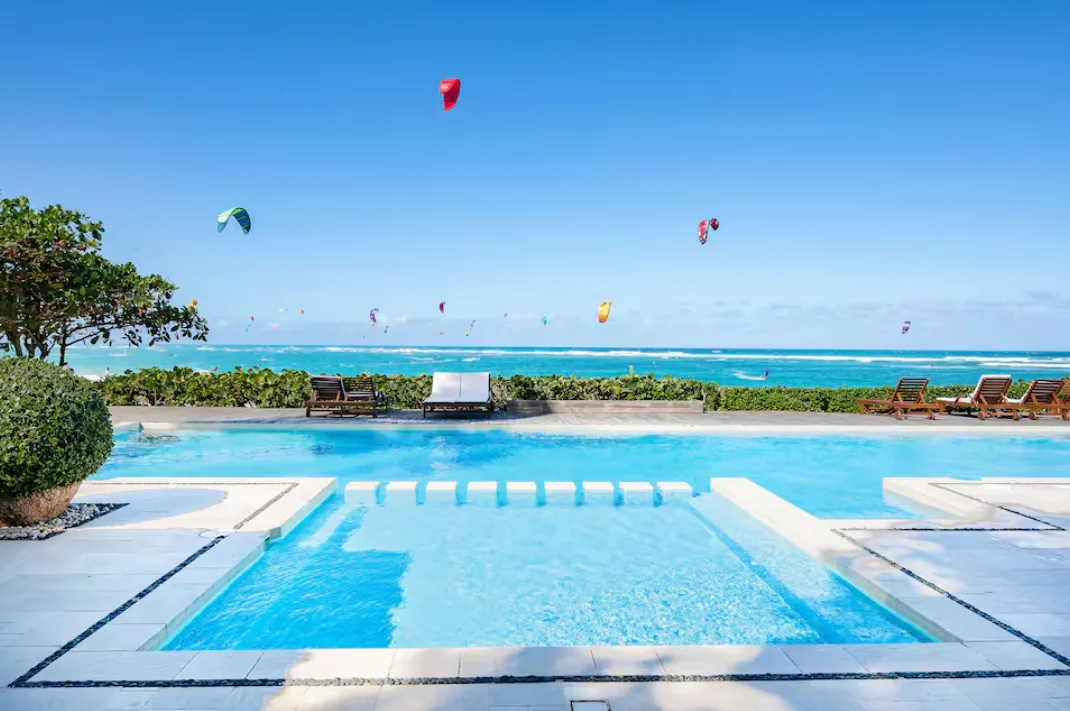
Kiteboarding
November-March (consistent trade winds). Secondary: June-August.
Whale Watching
January-March only (humpback migration).
Diving and Snorkeling
December-April (best visibility). Year-round possible, but visibility decreases rainy season.
Hiking
December-March (dry trails). Secondary: April-May and November.
Budget Travel
June-October (lowest prices). May and November (decent compromise of price and weather).
Visitor Profiles and Timing
Luxury Travelers
December-February offers best weather and premium experiences. Peak pricing is worth it for perfect conditions.
Budget Travelers
June-October or May/November for best values. Accept occasional rain in exchange for savings.
Families with School Constraints
Spring break (March-April) or summer (June-August). Winter break (December-January) but expect peak pricing.
Couples/Romantic Getaway
January-February for perfect weather and romance. May-November for intimate, quieter experience.
Adventure/Activity Focused
December-March for most activities available. Specific activities have different optim seasonal windows.
Weather Pattern Summary
Driest months: January-April. Wettest months: September-October. Warmest months: August-September. Most crowded: December-March. Least crowded: September-November.
Final Thoughts
The North Coast is truly a year-round destination. Peak season offers perfect weather and full activity availability but at premium costs and with large crowds. Shoulder seasons balance decent weather with much better value. Summer is cheapest but requires comfort with heat and humidity. Hurricane risk is relatively low across the island. Choose based on your priorities—weather preference, budget, crowd tolerance, and specific activities—and you'll have an excellent vacation regardless of season.